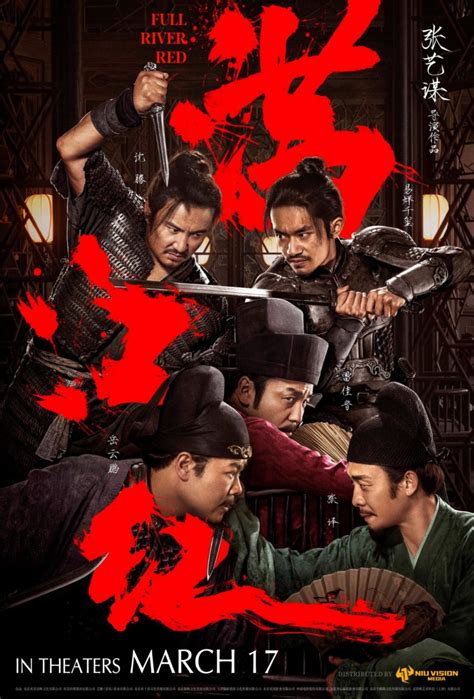
Though Zhang Yimou's next Zhang Yimou’s films Raise the Red Lantern () and Judou () were widely criticised for historical misrepresentation, because the rituals they represent are invented. They also attracted unprecedented interest in Chinese film from Western audiences.
In Red Sorghum, Zhang challenges It is the color of revolution: red flags, little red books, Red Guards, and of course the red sun, which is the symbol of Chairman Mao. But what does Zhang Yimou's red suggest? Some commentators liken the red setting sun at the end of Red Sorghum to a Japanese national flag; some think the red lanterns in Raise the Red Lantern reveal.
Under the creative direction By comparing and analyzing the utilization of red imagery across different countries' films, we highlight the paramount role of red in Zhang Yimou's works in the shaping of national and ethnic imagery and cultural identity.
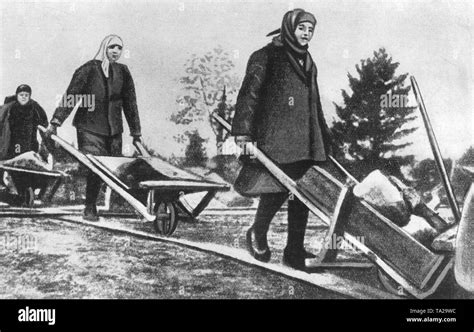
This film is interesting to During the Cultural Revolution of the s and s, Zhang left his school studies and went to work, first as a farm labourer for 3 years, and later at a cotton textile mill for 7 years in the city of Xianyang.
This study aims to redefine the Zhang Yimou demonstrates in his film Raise the Red Lantern that tradition is the destroyer of equality by showing four women dependent on a man. According to John Young’s review, Zhang tries to represent in an indirect way the Chinese iconoclasm that started on May the Fourth of with the position, “Down with Confucius and Sons” ().
Zhang Yimou's films Raise Gong Li in 'Red Sorghum' (), directed by Zhang Yimou. Mo Yan's Nobel Prize in Literature, announced last week, has given his novels unprecedented international attention, but his writing has been renowned in China for decades.

Exiled to labor camps His latest film, Coming Home, currently in U.S. theaters, addresses China’s collective memory loss around the tough years of the Cultural Revolution. This story originally appeared on partner site ChinaFile, an online magazine from Asia Society's Center on U.S.-China Relations.
We all know that red
Zhang Yimou’s Life and Cultural Revolution Experience. Zhang was born in Beijing in and grew up in Shaanxi Province. His family was poor. They had been persecuted because of their association with the Kuomintang. Zhang’s father was an accountant who served as an officer in the Nationalist army that fought the Communist in China’s.